Gion Food Tour Kyoto
Tours & tickets

Hand-picked by our editors — only the best 5 experiences from 42 reviewed.

Open today 00:00–23:59
Attendance: Moderate — summer season
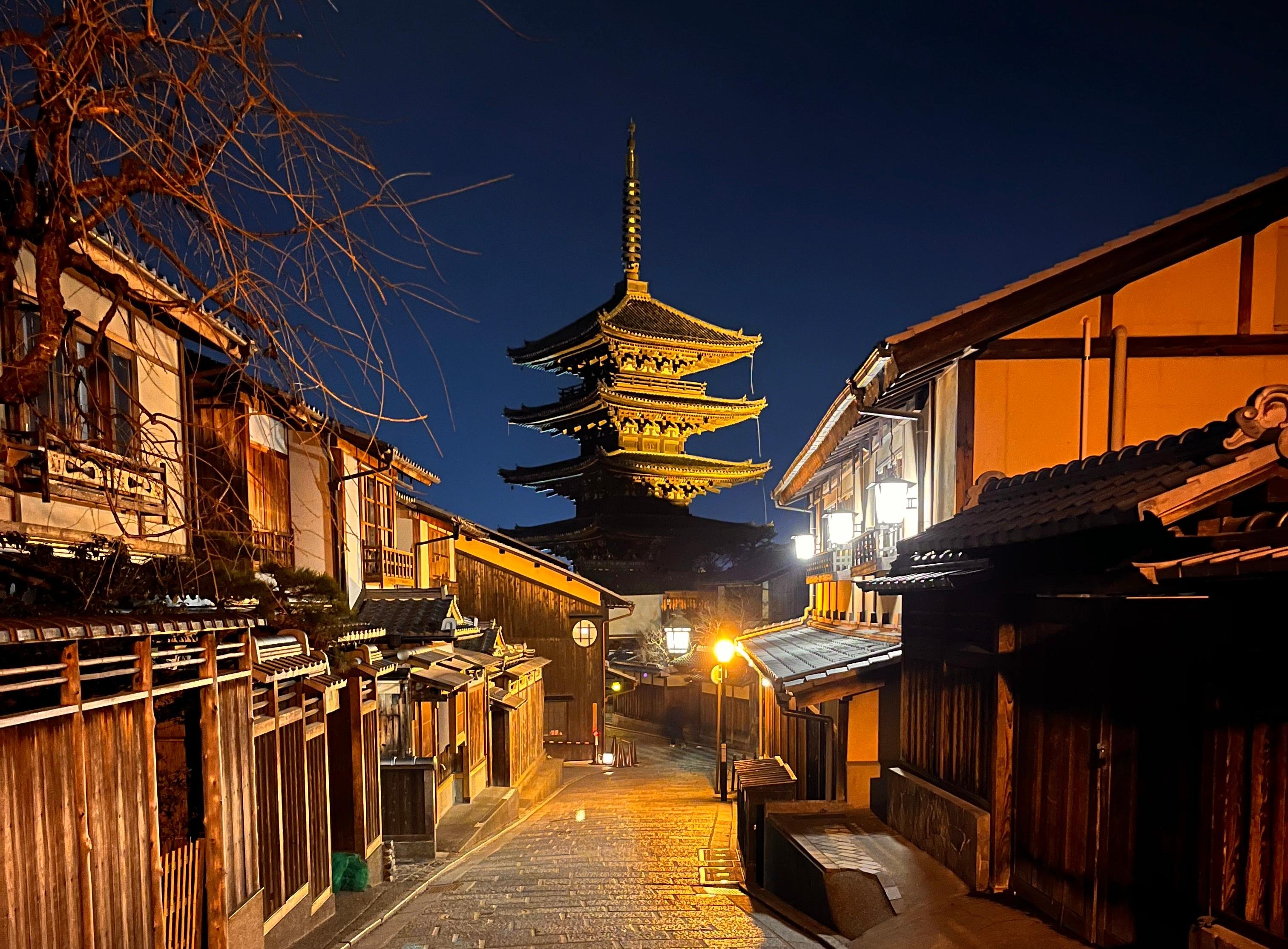
Evening hours are optimal for lighting and atmosphere.
Free cancellation Instant confirmation Mobile voucher Verified partner Book now, pay later
Tickets

Choose your ticket

Verified partners for every tour, free cancellation where available, and instant confirmation on every booking.

Gion Geisha District Night Walk 2 hr
Standard Entry

Gion Geisha District Night Walk

4.9 (2173)
€22
per person
Instant Mobile voucher Flexible — change up to 24h

Wander lantern-lit alleys and hidden temple grounds in Kyoto's living geisha quarter

Reserve
Gion Geisha District & Hidden Gems Walking Tour 2 hr
Guided Experience

Gion Geisha District & Hidden Gems Walking Tour

4.8 (4538)
€16
per person
Instant Mobile voucher Flexible — change up to 24h

Explore Kyoto's historic geisha quarter, discovering lantern-lit lanes, Zen temples, and cultural treasures

Reserve

Prices from verified partners. Availability updates in real time at checkout. Free cancellation policies apply where shown.

What you'll do

Inside a tour, step by step

  1. 01 15 min

    Meeting Point

    Gather at the designated Gion landmark

  2. 02 60 min

    District Walk

    Stroll through historic machiya streets

  3. 03 60 min

    Food Tasting

    Visit traditional eateries for local dishes

  4. 04 15 min

    Closing

    Final Q&A and neighborhood summary

Highlights

What you'll see inside the attraction

The landmarks, rooms, and views travelers on this tour remember — all visible on a single visit.

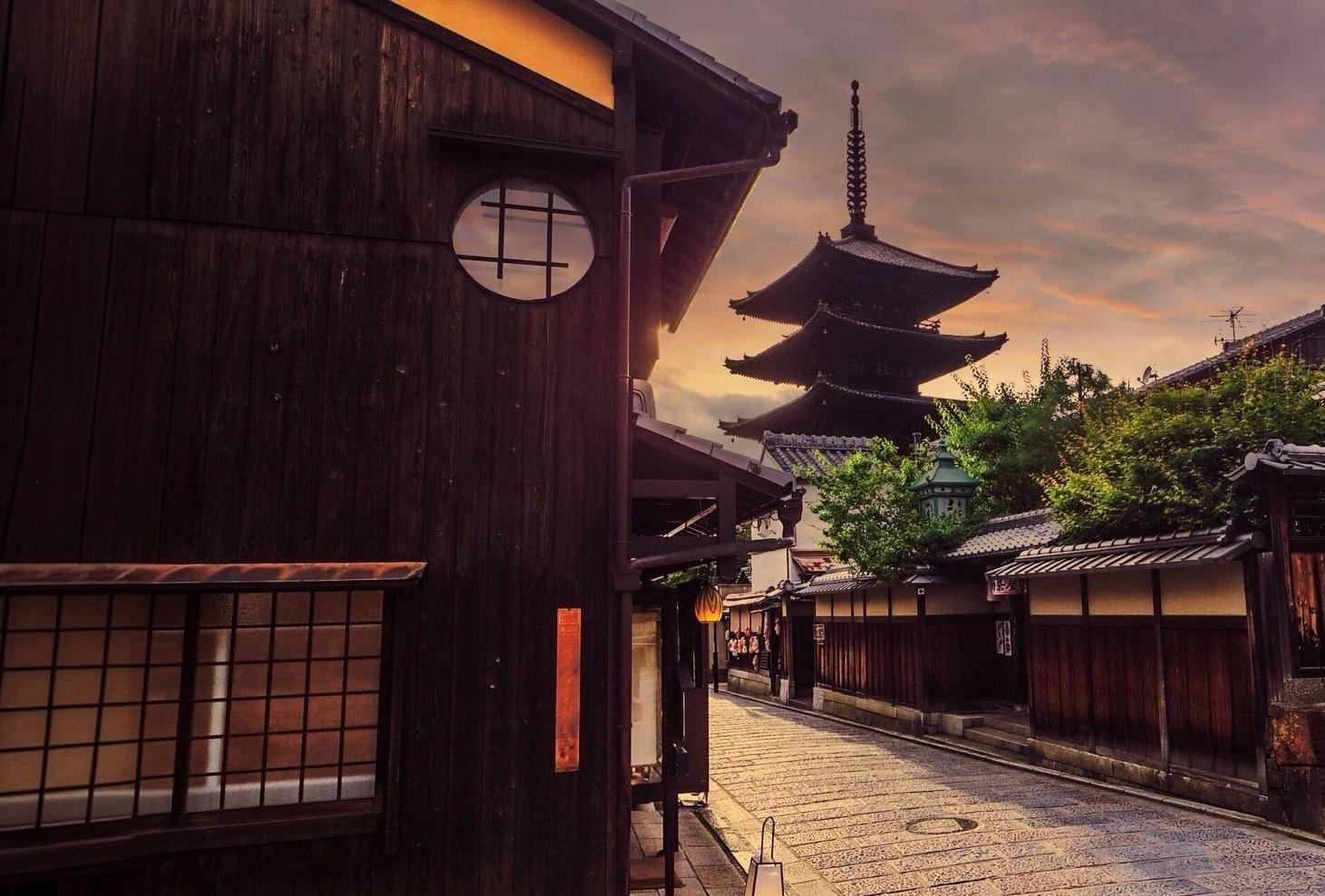
Hanamikoji Street

The main avenue lined with preserved machiya houses and traditional teahouses.

Shirakawa Canal

A peaceful waterway featuring weeping willow trees and illuminated lantern reflections.

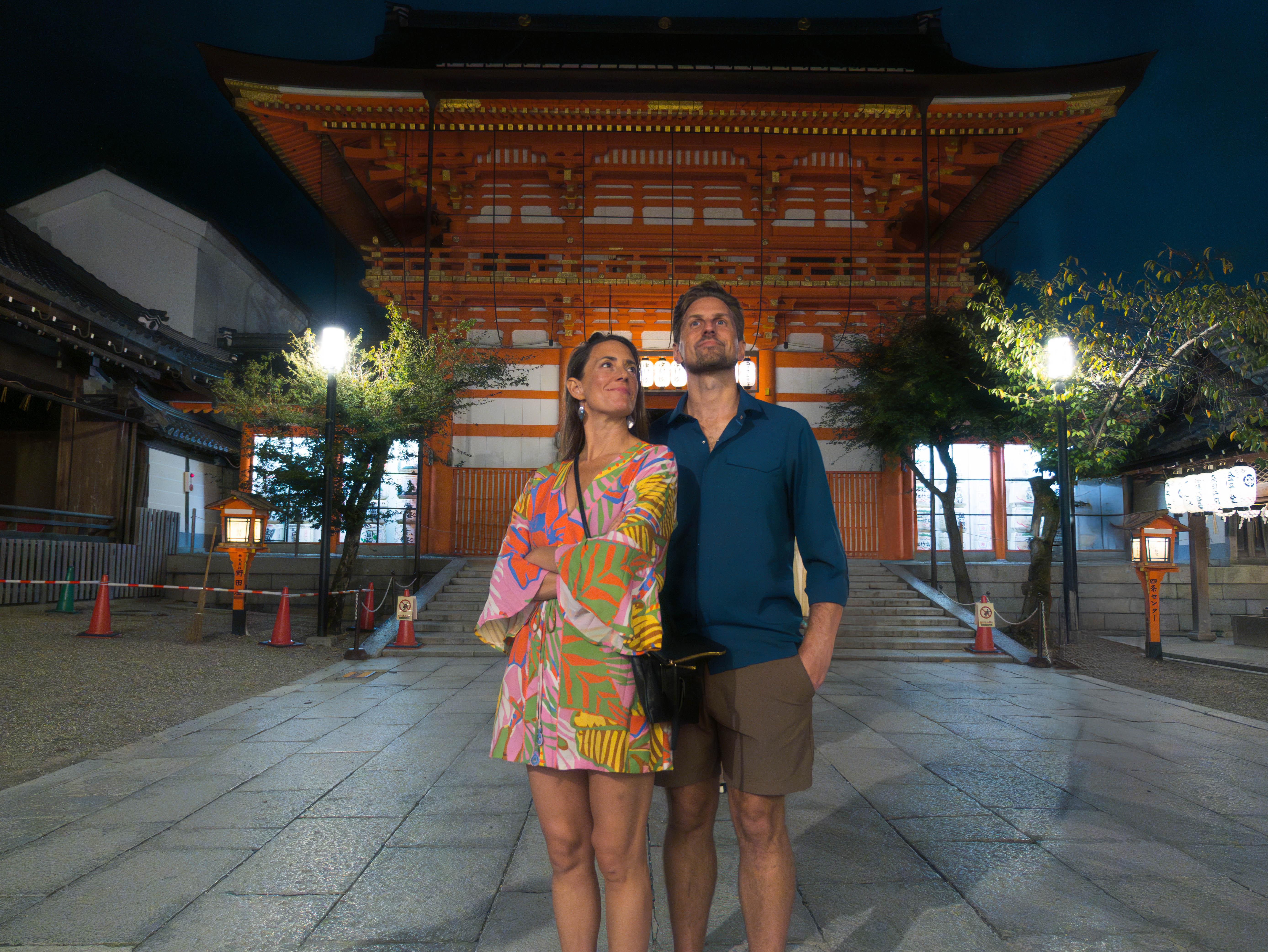
Yasaka Shrine

The spiritual anchor of the area with over 1300 years of history.

Minamiza Theater

A historic kabuki venue that serves as a central landmark in Gion.

Kenninji Temple

Kyoto's oldest Zen temple known for its tranquil gardens and art.

Head to head

Gion Night Food Tour vs Gion Cultural Walking Tour: Which Should You Choose?

They complement each other, though most visitors who do both call the Gion night food tour the more sensory-driven experience. Selecting between these Gion night food tour tours depends on whether your priority is culinary discovery or architectural history.

Feature Top pick Gion Night Food Tour Gion Cultural Walking Tour
Primary Focus
Historical architecture and geisha districts
Sensory Experience
Visual observation of wooden machiya houses
Expected Pacing
Moderate walking tempo
Cultural Depth
Traditional arts and geisha culture
Engagement Style
Guided narrative and site-specific education
Lasting Impression
Deep appreciation of local traditions

Verdict: If you are seeking immediate palate-based immersion, the gion night food tour tour provides the best value, whereas the cultural walk is superior for travelers prioritizing the history behind gion night food tour tickets.

How your ticket works

Book your ticket in 3 steps

  1. 01

    Book online

    Choose your ticket, select your date, and reserve in under two minutes. Secure checkout handled by our verified partner.

  2. 02

    Receive your mobile voucher

    Instant confirmation by email, with a mobile voucher you can save offline. No printing, no queuing at a collection desk.

  3. 03

    Show & enter

    Arrive at the entrance, show your voucher on your phone, and walk in. Most tickets include priority or skip-the-line access.

Plan your visit

Everything you need to know before you go

Practical details for your visit straight from our verified partners — hours, access, rules, and how to get there.

Open today · 00:00–23:59
Opening Hours
00:00–23:59
Address
Gion, Higashiyama Ward, Kyoto, 605-0001, Japan
Accessibility
Public walking district, largely flat but with uneven cobblestones
Best Arrival
18:00–21:00
Entrance Fee
0 JPY
Mon
00:00–23:59
Tue
00:00–23:59
Wed
00:00–23:59
Thu
00:00–23:59
Fri
00:00–23:59
Sat
00:00–23:59
Sun
00:00–23:59
Main entrance

Minamiza Theater

Kyoto, Higashiyama Ward, Gionmachi Kitagawa

Iconic starting point for Gion tours

Address
Gion, Higashiyama Ward, Kyoto, 605-0001, Japan
Entrance Fee
0 JPY

How to get there

🚆
Public transport · 20 min · 230 JPY

Keihan Line to Gion-Shijo Station or bus 206 to Gion stop

🚕
Taxi · Varies by distance · High

Direct drop-off at Hanamikoji intersection

Dress code

Comfortable walking shoes are essential for navigating the historic cobblestone streets of the Gion district. Modest, respectful attire is appreciated when visiting local shrines or traditional establishments.

Bags & security

There are no public coin lockers within the historic lanes of Gion. It is recommended to travel light as storage space in traditional restaurants can be limited.

Photography

Photography is strictly prohibited on many private streets in Gion to respect the privacy of residents and geiko. Always look for signage and do not photograph geiko or maiko without explicit permission.

Accessibility

While the main streets are paved, the historic nature of the district means some alleys may be narrow or uneven. Most guided gion night food tour experiences are walking-intensive.

What to bring

  • Comfortable shoes
  • Cash in JPY
  • Umbrella (for rain)
  • Portable battery
  • Identification
  • Handkerchief

Not allowed

  • Drones
  • Tripods
  • Large luggage
  • Audio speakers
  • Fire
  • Sharp objects
  • Food containers (open)
  • Alcohol (public consumption)

Families & strollers

The gion night food tour is suitable for older children, though evening hours may be late for younger guests. Private gion night food tour options offer more flexibility for families.

Food & drink

Gion is famous for high-end kaiseki and street-level dining. A gion night food tour typically includes curated tastings of traditional Kyoto specialties.

Meeting point

Where to find us

Minamiza Theater

Kyoto, Higashiyama Ward, Gionmachi Kitagawa

Iconic starting point for Gion tours

Get directions
Around your visit

Everything else worth knowing

Best time to go, insider tips, nearby landmarks, and the cancellation fine print — flip through to skim what matters to you.

Best time to visit

How crowds, weather, and events shift across the year.

Spring

March–May offers iconic cherry blossoms and pleasant evening strolls.

Summer

June–August is warm; enjoy the vibrant atmosphere of evening festivals.

Autumn

September–November features beautiful foliage and mild, comfortable weather.

Winter

December–February is quiet, offering a serene atmosphere in the historic lanes.

Helpful tips for your visit

Small details that turn a good visit into a great one.

Respect Privacy

Do not chase, touch, or block the path of geiko or maiko.

Stay on Paved Paths

Avoid entering private residential alleys marked as restricted.

Book in Advance

Secure your gion night food tour spots early to ensure availability.

Check Seasonality

Geiko activity is highest during peak tourism seasons in spring and autumn.

Listen to Guides

Follow local etiquette advice provided by your tour leader.

Nearby landmarks

Non-bookable sights within a short walk — free to visit, easy to pair.

Yasaka Shrine

5 min

Spiritual center of the district with 1300 years of history.

Kenninji Temple

10 min

The oldest Zen temple in Kyoto featuring iconic art.

Shirakawa Canal

5 min

Picturesque canal lined with willow trees and wooden teahouses.

Gion Corner

5 min

Cultural theater showcasing traditional Japanese arts.

Cancellation policy

Flexible, no hidden fees.

Cancellation policies for a gion night food tour vary by individual operator. Most require booking changes 24–48 hours in advance to receive a full refund.

Where to stay

Hotels & districts near the attraction

Hand-picked options within walking distance — pick a district for vibe, or a specific hotel for convenience.

Luxury Ryokan

5 min
luxury

High-end traditional inn located in the heart of Gion.

Boutique Hotel

10 min
boutique

Modern hotel blending contemporary design with historic charm.

District Stay

5 min
district

Various machiya-style guesthouses available throughout the area.

About

The place, in context

Gion's culinary architecture predates its geisha reputation by two centuries — the district's oldest ochaya teahouses began serving kaiseki meals to merchant patrons in the 1670s, decades before the first maiko apprentices arrived. The narrow stone-paved lanes of Hanami-koji and Shirakawa-minami were purpose-built at widths that forced pedestrians into slow, deliberate movement, a spatial design that transformed dining into ritual. Today that same geometry shapes the rhythm of evening food culture, channeling visitors past red-lacquered facades and bamboo-screened windows where the scent of grilled eel and simmering dashi drifts into the street. The district's night food economy operates on a layered geography. Pontocho Alley, running parallel to the Kamo River one block west, compresses seventy izakaya and yakitori specialists into a 500-meter pedestrian corridor barely four meters wide. Kushiyaki skewers — chicken thigh, quail egg, shishito pepper — are grilled over bincho-tan charcoal at storefronts open to the street, while basement floors house century-old sake cellars stocked with bottles from Fushimi breweries seven kilometers south. Shijo-dori, the district's commercial spine, anchors modern restaurants serving obanzai small plates, a Kyoto style that elevates pickled vegetables, tofu skin, and seasonal fish into multi-course meals priced by the dish. Gion's food traditions reflect Kyoto's historical isolation from ocean fisheries. The city developed a preservation-based cuisine — miso-cured mackerel, kelp-wrapped trout, fermented river fish — that evolved into the tsukemono pickle culture still visible in every teahouse kitchen. Matcha, cultivated in Uji fields fifteen kilometers southeast, became the district's signature flavor anchor, appearing in everything from soft-serve ice cream to nama-yatsuhashi mochi served at standing counters along Shijo Bridge. The district's 400-year-old tofu workshops, clustered near Yasaka Shrine, still operate pre-dawn shifts to supply morning deliveries to the neighborhood's 200-plus restaurants. Evening food walks typically begin between 18:00 and 21:00, when lantern light replaces daylight and the district's pedestrian density peaks. The optimal route threads through Gion's three micro-districts — the formal ochaya zone south of Shijo, the izakaya corridor of Pontocho, and the contemporary dining blocks of Higashiyama — creating a three-kilometer loop that samples seven centuries of Kyoto culinary evolution in a single walk.

"The narrow stone-paved lanes were purpose-built at widths that forced pedestrians into slow, deliberate movement, transforming dining into ritual."
Your experience

What a tour day looks like

A step-by-step walkthrough of the visit — what you'll see, how long each stage takes, and the details that matter.

You arrive at Yasaka Shrine's vermillion gates as dusk softens the tile roofs along Higashiyama-dori. Your guide leads south into Hanami-koji, where wooden machiya shopfronts glow amber behind bamboo screens. The first stop is a standing yakitori counter — you watch the chef work six skewers over white-hot bincho charcoal, the chicken skin blistering and releasing smoke that smells of soy and sake. You eat the skewers in sequence, still hot, the cartilage giving way with a precise snap. You cross into Pontocho through a covered passage barely wide enough for two. The alley is a ribbon of light, red lanterns suspended at eye level every three meters. You pause at an ochazuke shop, where the owner ladles green tea over a bowl of rice, grilled salmon, and pickled plum — three ingredients that become a complete meal. The tea is bitter, the salmon fatty, the plum sharp enough to reset your palate. Your final stop is a wagashi counter near Shijo Bridge. You're handed a matcha soft-serve cone dusted with kinako soybean powder, the bitterness of the tea cut by the sweetness of the milk. You walk back toward Yasaka Shrine as the district's evening crowds thicken, the taste of roasted soybean still on your tongue, the lantern light reflecting off the Shirakawa canal in long yellow streaks.

Frequently asked

Frequently asked questions about gion night food tour tours

Are there specific opening hours for the Gion district?

Gion is a public district and remains open 00:00–23:59 every day. Individual shops and teahouses have their own specific operating hours.

What is the best time to join a gion night food tour?

The best time for a gion night food tour is between 18:00 and 21:00 to see the district in its most atmospheric lighting.

Can I take photos during my gion night food tour?

Photography is restricted on many private streets. Please follow your guide's instructions during your gion night food tour.

Is the gion night food tour accessible for families with children?

Yes, though consider the walking distance. Many gion night food tour providers recommend private bookings for families.

What should I bring on a gion night food tour?

Bring comfortable walking shoes, cash, and identification for your gion night food tour.

Are there prohibited items for a gion night food tour?

Items like drones and large luggage are prohibited in the historic Gion streets.

How do I book gion night food tour tickets?

You can book gion night food tour tickets online through established tour platforms.

Do I need to pay an entrance fee for a gion night food tour?

No, the Gion district itself has no entry fee, though your gion night food tour includes food costs.

What is the cancellation policy for gion night food tour bookings?

Most gion night food tour providers allow cancellations 24–48 hours in advance for a full refund.

What nearby attractions can I visit after a gion night food tour?

After your gion night food tour, you can easily visit Yasaka Shrine or the Shirakawa Canal on foot.