Gion Food Tour Kyoto
Tours & tickets

Hand-picked by our editors — only the best 5 food experiences from 47 reviewed.

Open today 00:00–23:59
Attendance: Moderate — summer evening
Public streets are accessible at all times.
Free cancellation Instant confirmation Mobile voucher Verified partner Small-group tours
Tickets

Choose your ticket

Verified partners for every tour, free cancellation where available, and instant confirmation on every booking.

Gion Evening Food Tour with 13 Tastings 3 hr
Standard Entry

Gion Evening Food Tour with 13 Tastings

4.8 (191)
€61
per person
Instant Mobile voucher Flexible — change up to 24h

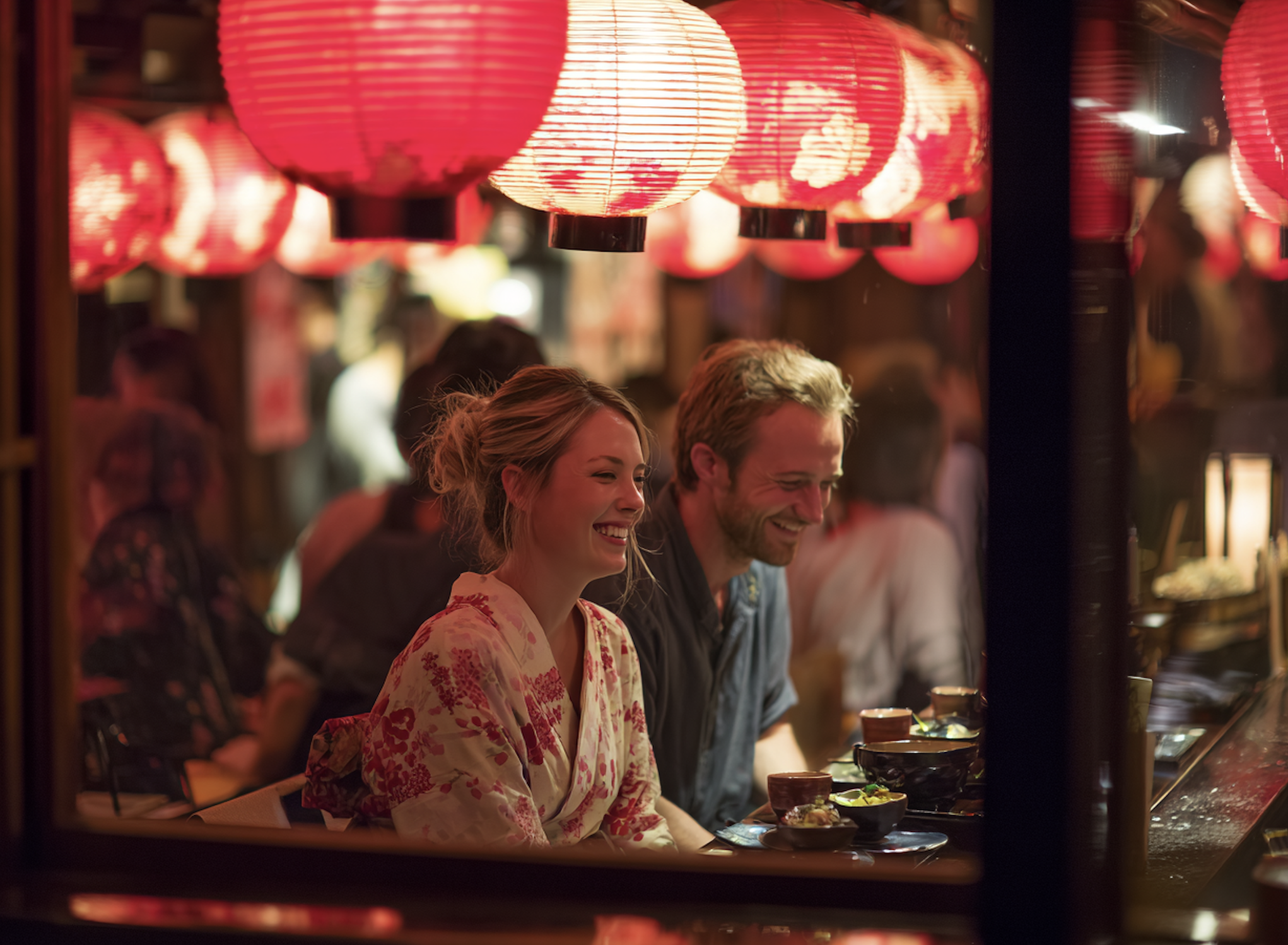
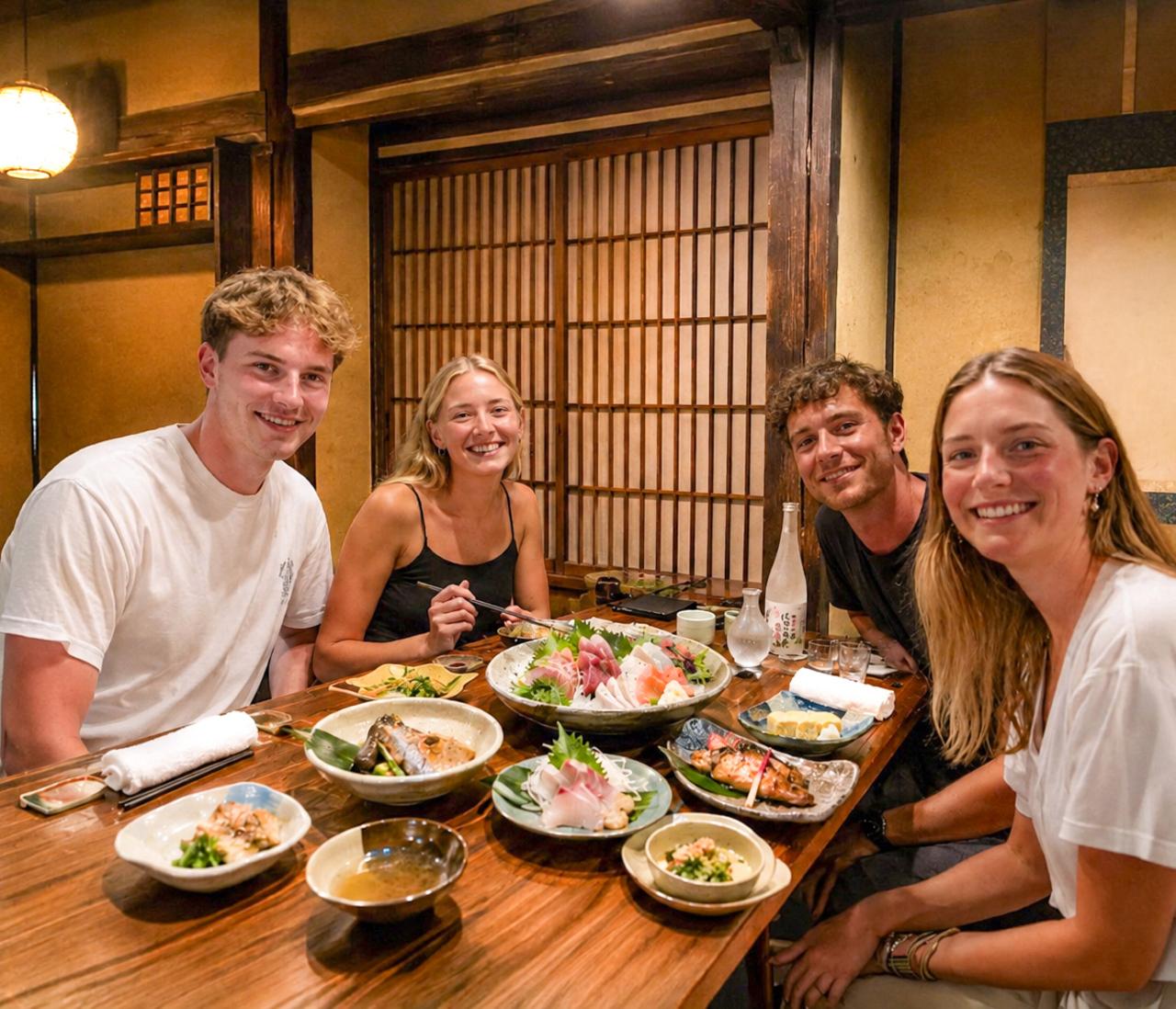
Discover Kyoto's culinary soul through hidden alleys, geisha stories, and 13 seasonal dishes at local spots.

Reserve
Gion Walking Tour with Maiko Geisha Performance & Meal 3 hr 30 min
Guided Experience

Gion Walking Tour with Maiko Geisha Performance & Meal

5 (643)
€91
per person
Instant Mobile voucher Flexible — change up to 24h

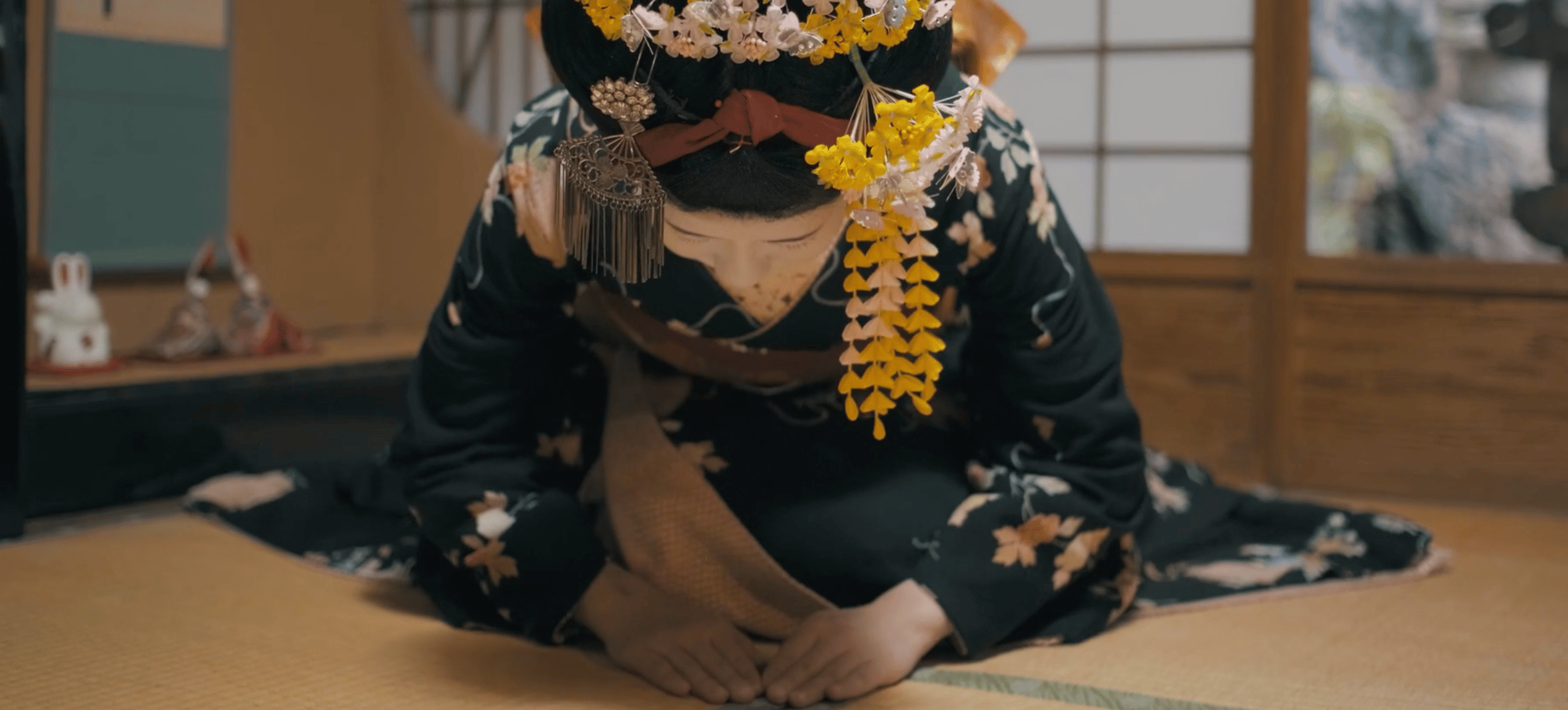
Explore Kyoto's geisha quarter, watch an apprentice geisha perform traditional dance, and share questions over authentic Japanese cuisine

Reserve

Prices from verified partners. Availability updates in real time at checkout. Free cancellation policies apply where shown.

What you'll do

Inside a tour, step by step

  1. 01 30 min

    Start at Yasaka Shrine

    Begin your gion & pontocho food tour near the historic gate.

Highlights

What you'll see inside the attraction

The landmarks, rooms, and views travelers on this tour remember — all visible on a single visit.

Hanamikoji Street

This famous lane features preserved wooden teahouses and is a center for traditional geiko culture. It serves as the primary artery for any Gion walking experience.

Old town street scene

Hanamikoji Street

Pontocho Alley

Narrow restaurant alleyway

Pontocho Alley

Kamo River Banks

Riverside dining terrace

Kamo River Kyoto

Yasaka Shrine

Illuminated shrine gate

Yasaka Shrine Gion

Kennin-ji Temple Grounds

Zen temple garden

Kennin-ji Temple

Head to head

Gion & Pontocho Food Tour vs. Self-Guided Evening Exploration

They complement each other; most visitors who do both call the guided experience the more insightful option for deep culinary discovery while the walk provides unmatched independence.

Feature Top pick Gion & Pontocho Food Tour Self-Guided Evening Walk
Content Focus
Independent stroll through Kyoto landmarks
Decision Speed
Spontaneous traveler pacing
Cost
0 JPY (public streets)
Social Interaction
Solitary or private group experience
Cultural Context
Surface level observation
Navigation Effort
High (map dependent)

Verdict: Choose the gion & pontocho food tour if you prioritize localized expertise, whereas the self-guided evening walk is better for travelers seeking to purchase gion & pontocho food tour tickets on their own terms or explore gion & pontocho food tour tours at a personal rhythm.

How your ticket works

Book your ticket in 3 steps

  1. 01

    Book online

    Choose your ticket, select your date, and reserve in under two minutes. Secure checkout handled by our verified partner.

  2. 02

    Receive your mobile voucher

    Instant confirmation by email, with a mobile voucher you can save offline. No printing, no queuing at a collection desk.

  3. 03

    Show & enter

    Arrive at the entrance, show your voucher on your phone, and walk in. Most tickets include priority or skip-the-line access.

Plan your visit

Everything you need to know before you go

Practical details for your visit straight from our verified partners — hours, access, rules, and how to get there.

Open today · 00:00–23:59
Opening Hours
00:00–23:59
Address
Gion and Pontocho Districts, Higashiyama Ward, Kyoto, Japan
Public Access
Open to the public 24/7
Best Time to Visit
17:00–19:00
Navigation
Use Gion-Shijo Station for immediate access
Mon
00:00–23:59
Tue
00:00–23:59
Wed
00:00–23:59
Thu
00:00–23:59
Fri
00:00–23:59
Sat
00:00–23:59
Sun
00:00–23:59
Main entrance

Gion-Shijo Station

Shijo-dori, Higashiyama Ward

Main gateway for the gion & pontocho food tour.

Address
Gion and Pontocho Districts, Higashiyama Ward, Kyoto, Japan
Navigation
Use Gion-Shijo Station for immediate access

How to get there

🚆
Public transport · 5 min · Varies

Take the Keihan Line to Gion-Shijo Station.

Dress code

Casual and comfortable walking attire is recommended for your gion & pontocho food tour experience. Please respect the local culture by avoiding overly revealing clothing while walking through historic Kyoto districts.

Bags & security

Keep belongings secure while exploring the crowded alleys of the gion & pontocho food tour route. Small daypacks are permitted, but avoid bulky luggage that may obstruct narrow wooden paths.

Photography

Respect local privacy laws and posted signage regarding photography during your gion & pontocho food tour. Avoid taking close-up pictures of geiko or maiko without explicit permission.

Accessibility

The gion & pontocho food tour encompasses narrow, stone-paved lanes and wooden buildings. Wheelchair users may find some Pontocho alleyways challenging due to uneven terrain and lack of ramps.

Mobile phones

Use your mobile device for navigation during your gion & pontocho food tour, but maintain awareness of your surroundings. Keep voices low to preserve the quiet atmosphere of the residential streets.

What to bring

  • Comfortable walking shoes
  • Cash for small vendors
  • Smartphone for maps
  • Light jacket
  • Reusable water bottle

Not allowed

  • Tripods
  • Drones
  • Professional lighting equipment
  • Alcoholic beverages
  • Large rolling suitcases
  • Loud speakers
  • Smoking outside designated areas
  • Litter

Families & strollers

Families are welcome to observe the traditional architecture during their gion & pontocho food tour. Maintain close supervision of children in busy areas to ensure safety near street traffic.

Food & drink

The gion & pontocho food tour explores local culinary offerings across both historic districts. Ensure you carry water during summer months to stay hydrated between food stops.

Pets

Pets are generally not permitted inside the private dining establishments visited during a gion & pontocho food tour. Service animals may be accommodated depending on the specific venue policy.

Good to know

As a public district, the gion & pontocho food tour path remains open year-round regardless of weather. Check local transit updates if visiting during severe summer storms.

Meeting point

Where to find us

Gion-Shijo Station

Shijo-dori, Higashiyama Ward

Main gateway for the gion & pontocho food tour.

Get directions
Around your visit

Everything else worth knowing

Best time to go, insider tips, nearby landmarks, and the cancellation fine print — flip through to skim what matters to you.

Best time to visit

How crowds, weather, and events shift across the year.

Spring

Mild temperatures and cherry blossoms attract many visitors to the district for a gion & pontocho food tour.

Helpful tips for your visit

Small details that turn a good visit into a great one.

Book in advance

Secure your gion & pontocho food tour tickets early to ensure availability during peak seasons.

Nearby landmarks

Non-bookable sights within a short walk — free to visit, easy to pair.

Yasaka Shrine

5 min

Ancient Shinto shrine with vibrant lanterns and festival history.

Cancellation policy

Flexible, no hidden fees.

Since entrance to these public districts is 0 JPY, no cancellation fees apply for independent exploration. Guided gion & pontocho food tour tours maintain specific operator policies found in the booking interface.

Where to stay

Hotels & districts near the attraction

Hand-picked options within walking distance — pick a district for vibe, or a specific hotel for convenience.

Gion Boutique Hotels

5 min
luxury

High-end stays located within traditional wooden buildings.

About

The place, in context

Gion and Pontocho are Kyoto's twin hanamachi — geisha entertainment quarters where hospitality has been refined across four centuries into something close to theatre. Gion emerged in the late 1600s to serve pilgrims visiting Yasaka Shrine; Pontocho materialized a century later as a narrow strip of teahouses along the Kamo River's west bank. Both developed elaborate codes governing architecture, dress, and cuisine, codes that persist today in the cobblestone streets where ochaya teahouses still refuse walk-in guests and where kaiseki chefs measure seasonality by the lunar calendar. The food culture here exists at the intersection of accessibility and exclusivity. While traditional ochaya remain invitation-only, the surrounding blocks shelter dozens of izakayas, yakitori counters, and ramen shops that feed both geiko and the neighborhood's workers. Pontocho's alley runs just over 500 metres but contains more than 70 dining establishments, many occupying machiya townhouses whose latticed façades conceal grills, tatami rooms, and riverside balconies. Gion's Hanami-koji and Shirakawa Canal corridors offer similar density, with establishments specializing in obanzai — Kyoto's vernacular cuisine built from seasonal vegetables, tofu, and preserved fish. A Gion & Pontocho food tour navigates this layered landscape, moving between casual izakayas where you might taste yuba (tofu skin) and tsukemono pickles, and more formal spots serving kaiseki-inspired small plates. Guides typically schedule departures for early evening — between 17:00 and 19:00 — when both districts light their lanterns and the transition from day to night unfolds as ritual. You walk narrow lanes where wooden buildings lean toward one another, peer into open kitchens where chefs work over charcoal, and pause at intervals to sample grilled skewers, seasonal tempura, or sake poured from Fushimi breweries south of the city. The culinary distinction here lies not in novelty but in precision: ingredients sourced from specific valleys, preparations unchanged for generations, presentations calibrated to the season. Kyoto's food vocabulary is vast — obanzai alone encompasses hundreds of small dishes — and the hanamachi districts remain its most concentrated expression. Visitors walking these alleys encounter not a museum but a working neighborhood where culinary tradition operates as daily commerce, and where the food on your plate reflects centuries of aesthetic refinement applied to the act of hospitality itself.

"Pontocho's alley runs just over 500 metres but contains more than 70 dining establishments, many occupying machiya townhouses whose latticed façades conceal grills, tatami rooms, and riverside balconies."
Your experience

What a tour day looks like

A step-by-step walkthrough of the visit — what you'll see, how long each stage takes, and the details that matter.

You meet your guide near the Shijo Bridge as dusk settles over the Kamo River. The first stop is a small izakaya in Pontocho where the chef hands you yuba draped over ice, its texture somewhere between silk and cream. You move deeper into the alley, passing wooden façades glowing amber from interior lanterns, and pause at a yakitori counter where skewers of chicken thigh and negima onion come off the charcoal grill with a faint caramelized crust. Crossing into Gion, you walk the Shirakawa Canal path where willow branches trail over the water and geiko occasionally pass in full regalia. Your guide leads you into a machiya serving obanzai — tonight it is simmered daikon, sesame-dressed greens, and grilled mackerel arranged on small lacquered plates. The final tasting happens at a sake bar where the owner pours three expressions from Fushimi, each paired with a single bite: miso-braised eggplant, pickled myoga ginger, steamed kabocha. You finish near Yasaka Shrine as the evening crowds thin, the alleyways behind you now fully illuminated, their lanterns casting long shadows across the cobblestones. The Gion & Pontocho food tour tour typically covers 13 to 15 tastings across two hours, enough to map the culinary range of Kyoto's hanamachi without rush.

Frequently asked

Frequently asked questions about gion & pontocho food tour tours

What are the opening hours for a gion & pontocho food tour?

The districts are open 00:00–23:59 daily, though guided tour schedules vary. Check your specific booking for the exact start time of your gion & pontocho food tour.

Is the gion & pontocho food tour accessible for everyone?

Some historic alleys have uneven stones, making the gion & pontocho food tour difficult for wheelchair users. Please inquire about route accessibility before booking your gion & pontocho food tour.

Do I need gion & pontocho food tour tickets?

While entry to the streets is 0 JPY, you must purchase gion & pontocho food tour tickets to participate in guided tastings. Always book gion & pontocho food tour tickets through official channels.

Can I take photos during my gion & pontocho food tour?

Photography is permitted in public spaces, but please respect local customs during your gion & pontocho food tour. Avoid blocking paths while capturing images during your gion & pontocho food tour.

What is the best time to start a gion & pontocho food tour?

The best arrival window is 17:00–19:00 for the optimal evening atmosphere. This is the ideal time to observe the lanterns lighting up the gion & pontocho food tour path.

What should I wear for a gion & pontocho food tour?

Wear comfortable walking shoes and modest clothing for your gion & pontocho food tour. The terrain during a gion & pontocho food tour consists mostly of paved stone streets.

Is food included in the gion & pontocho food tour?

Yes, the gion & pontocho food tour includes various local delicacies at selected venues. Specific menu items are detailed in your booking confirmation for the gion & pontocho food tour.

How do I get to the gion & pontocho food tour area?

Take the train to Gion-Shijo Station for the easiest access to the gion & pontocho food tour location. Public transit is recommended over taxis due to narrow streets near the gion & pontocho food tour area.

Are children allowed on a gion & pontocho food tour?

Families can participate, but keep children close in busy areas. The gion & pontocho food tour is a walking-intensive experience suitable for older children.